A Habit of
the Heart
The people who run it have an answer, and it involves showing up more often than we do.
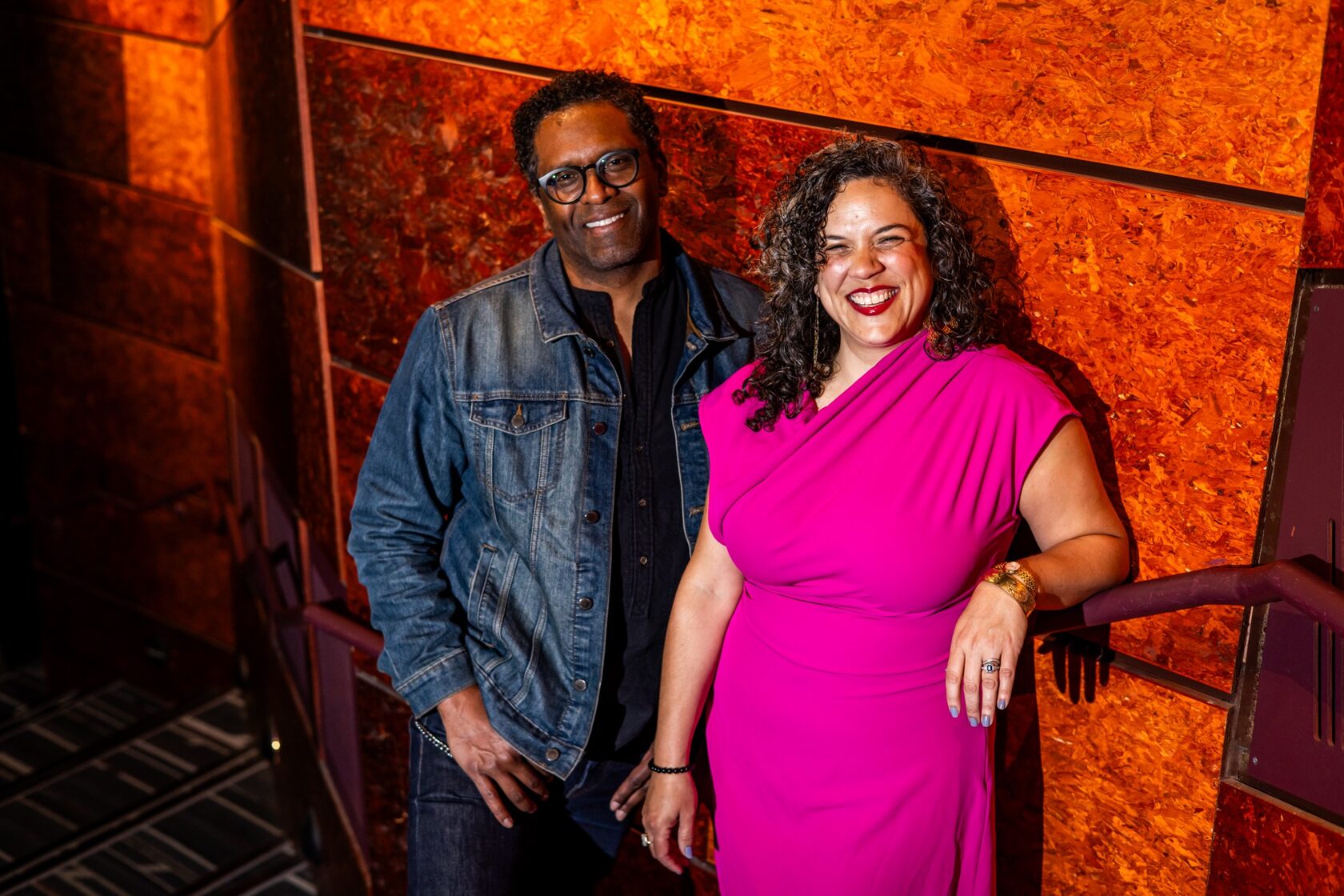
Broad Street at dusk has its own grammar. The office towers go quiet, the marquees take over, and the sidewalk south of City Hall fills with people who need to be somewhere by 7:30. At 265 South Broad, the Wilma Theater has been part of that sentence for three decades. The people inside would like the city to read it a little more closely.
“Philadelphia is a bunch of badass artists”
“Philadelphia is a bunch of badass artists,” the film begins. “Everywhere I turn, there are incredible artists doing incredible work.” What follows is less a boast than a description of method, an “underdog mentality of just figuring out what we can make and do together with what we have.” The work that comes out of it has a long list of names: ensemble theater, physical theater, theater that pushes boundaries. The one that seems to matter most is the last. Theater, they say, should be “a visceral experience for people that come.”
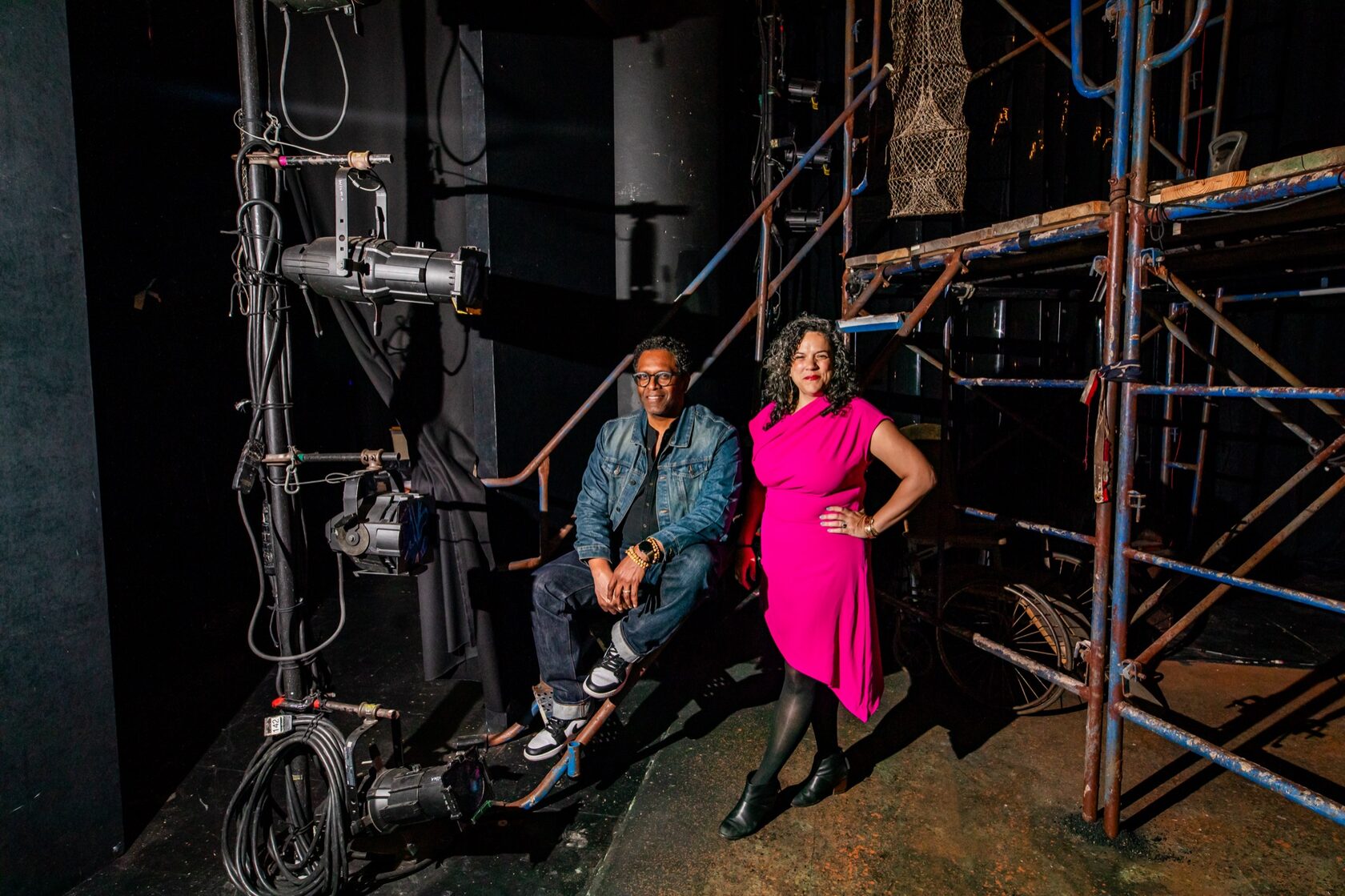
Two people, one building
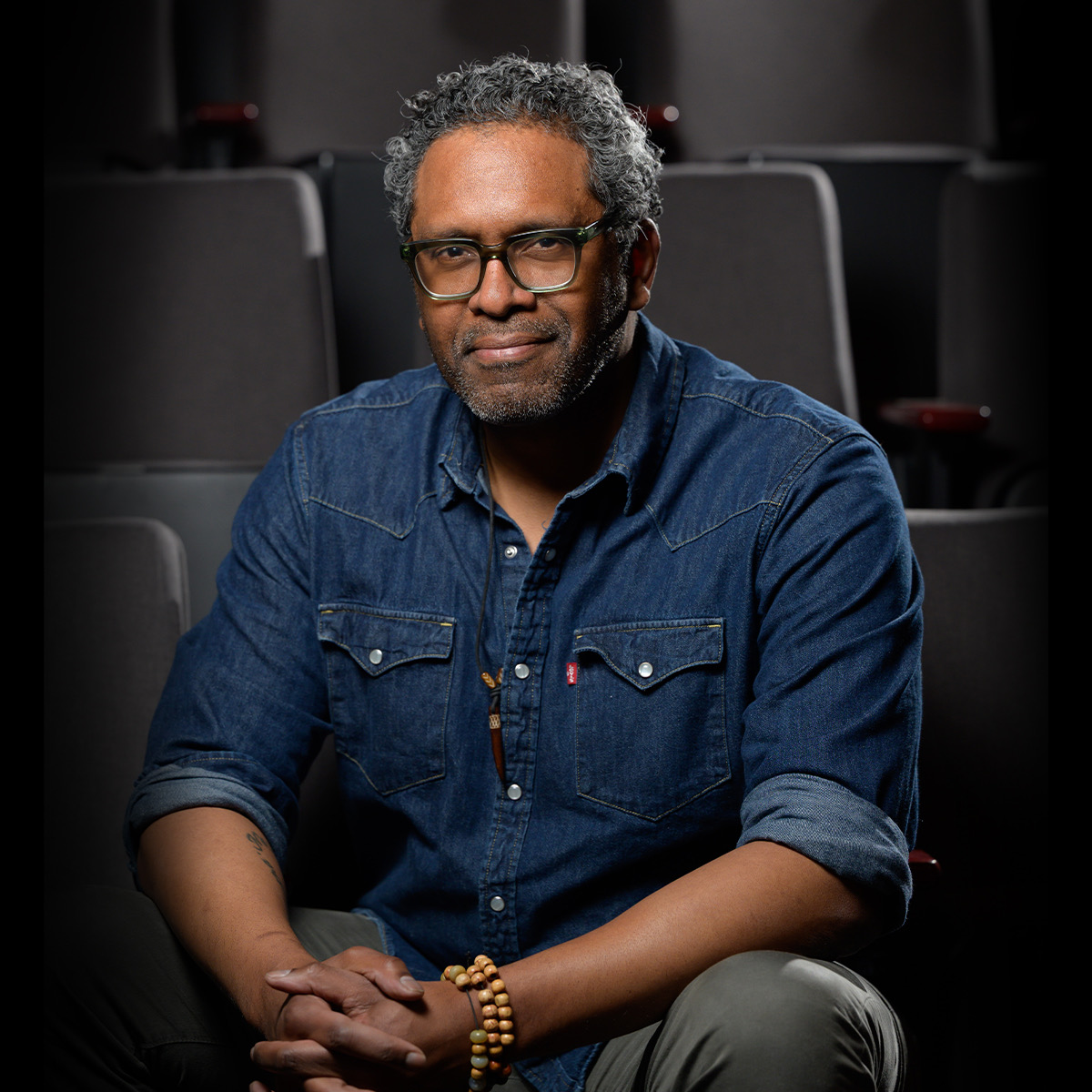
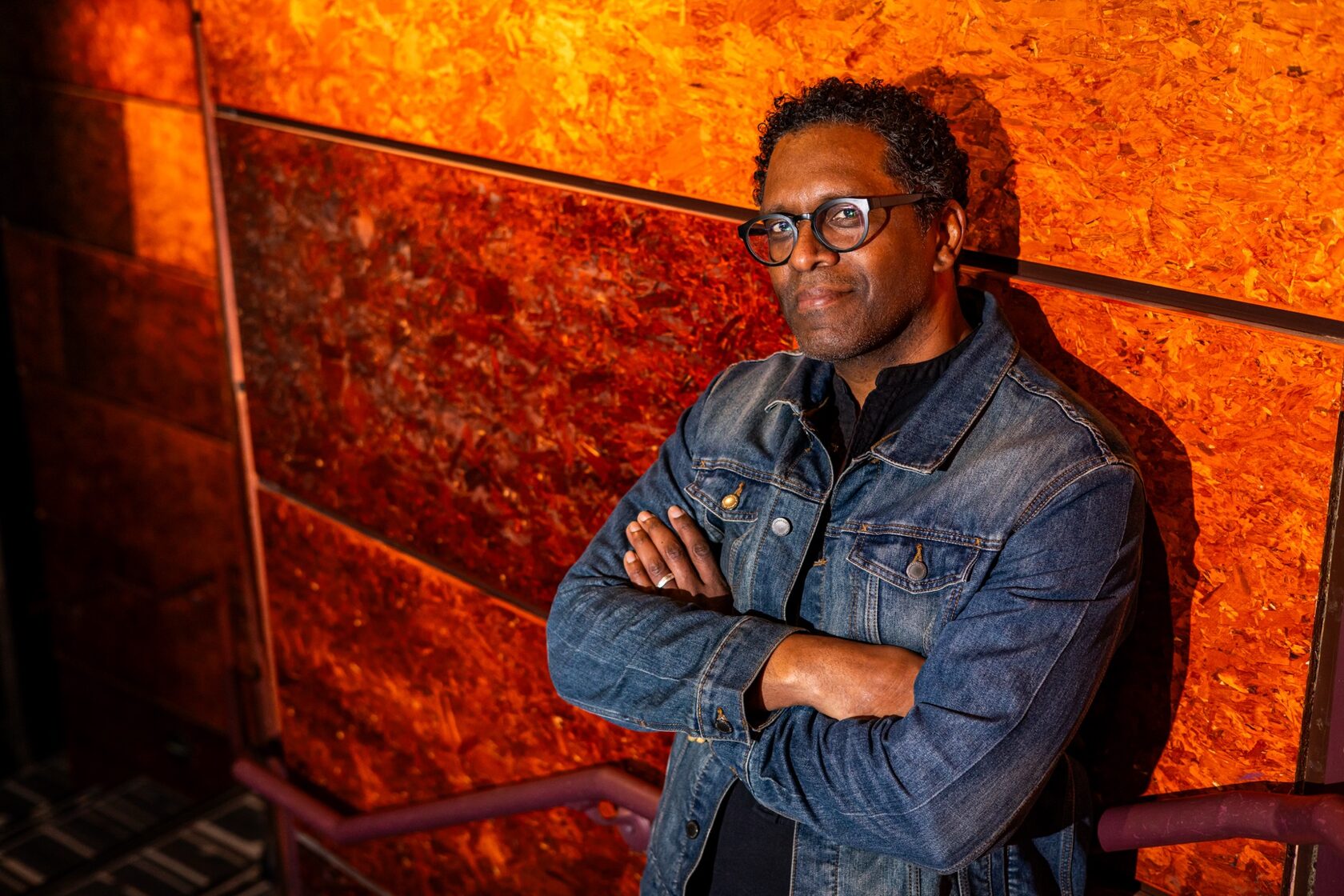
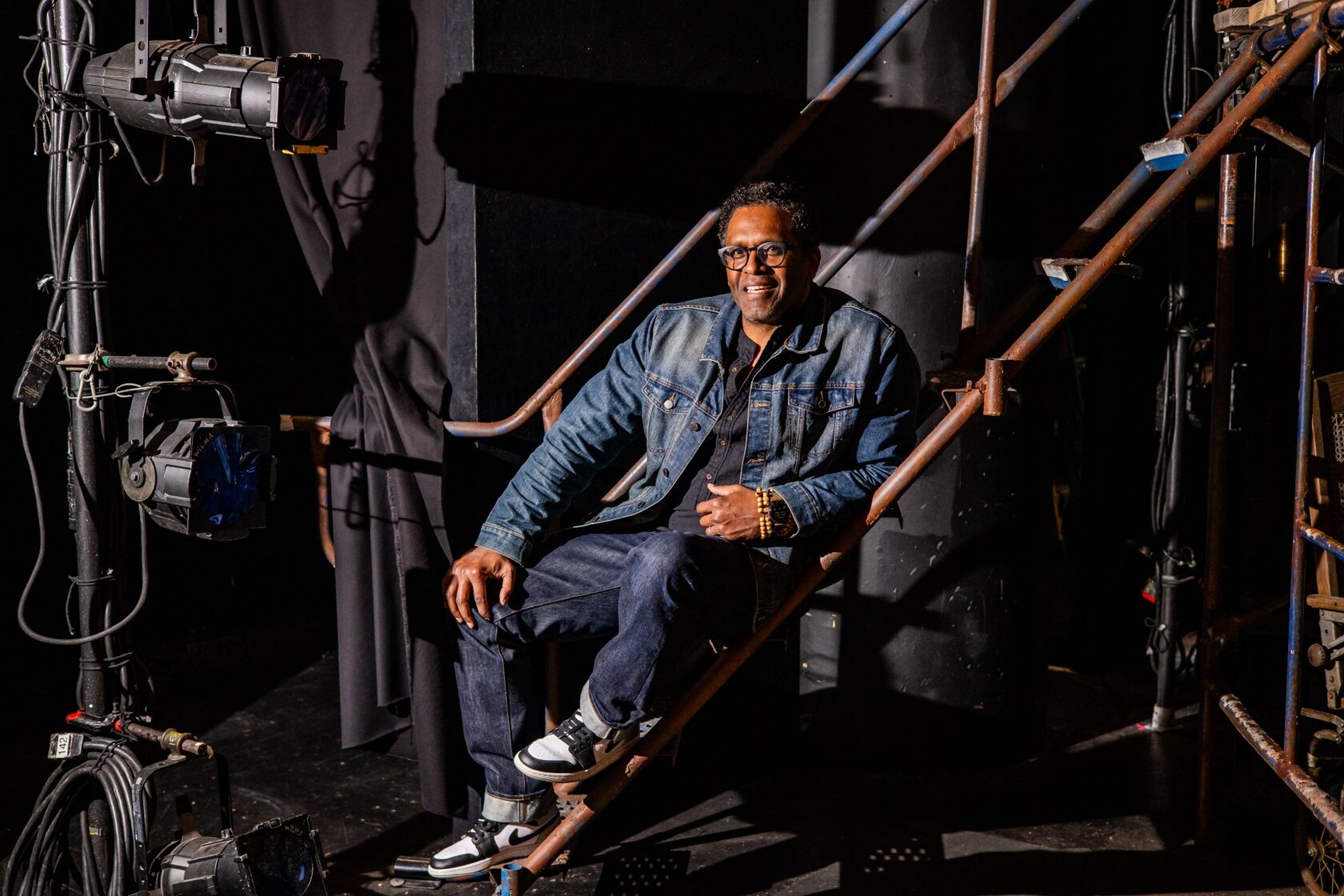
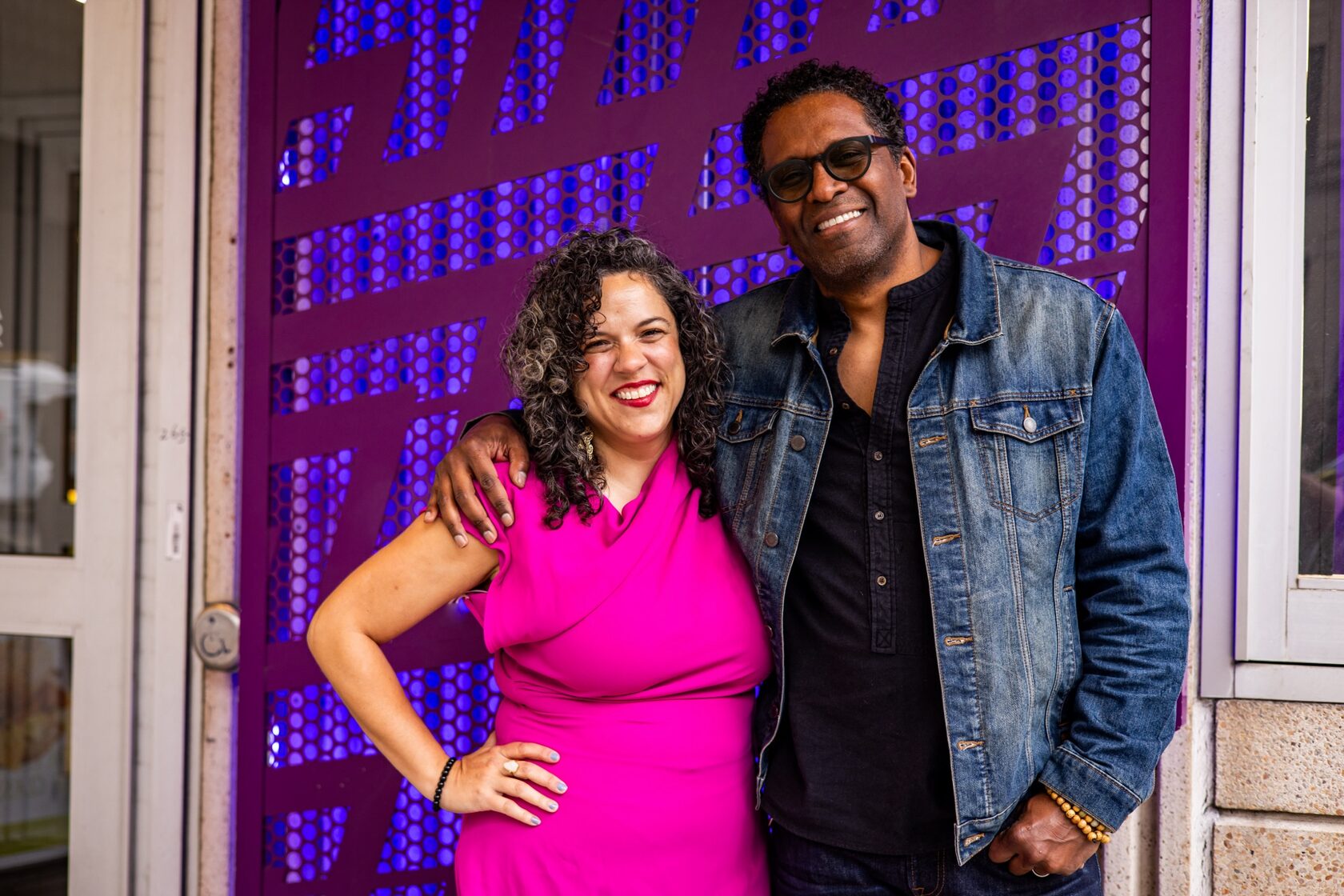
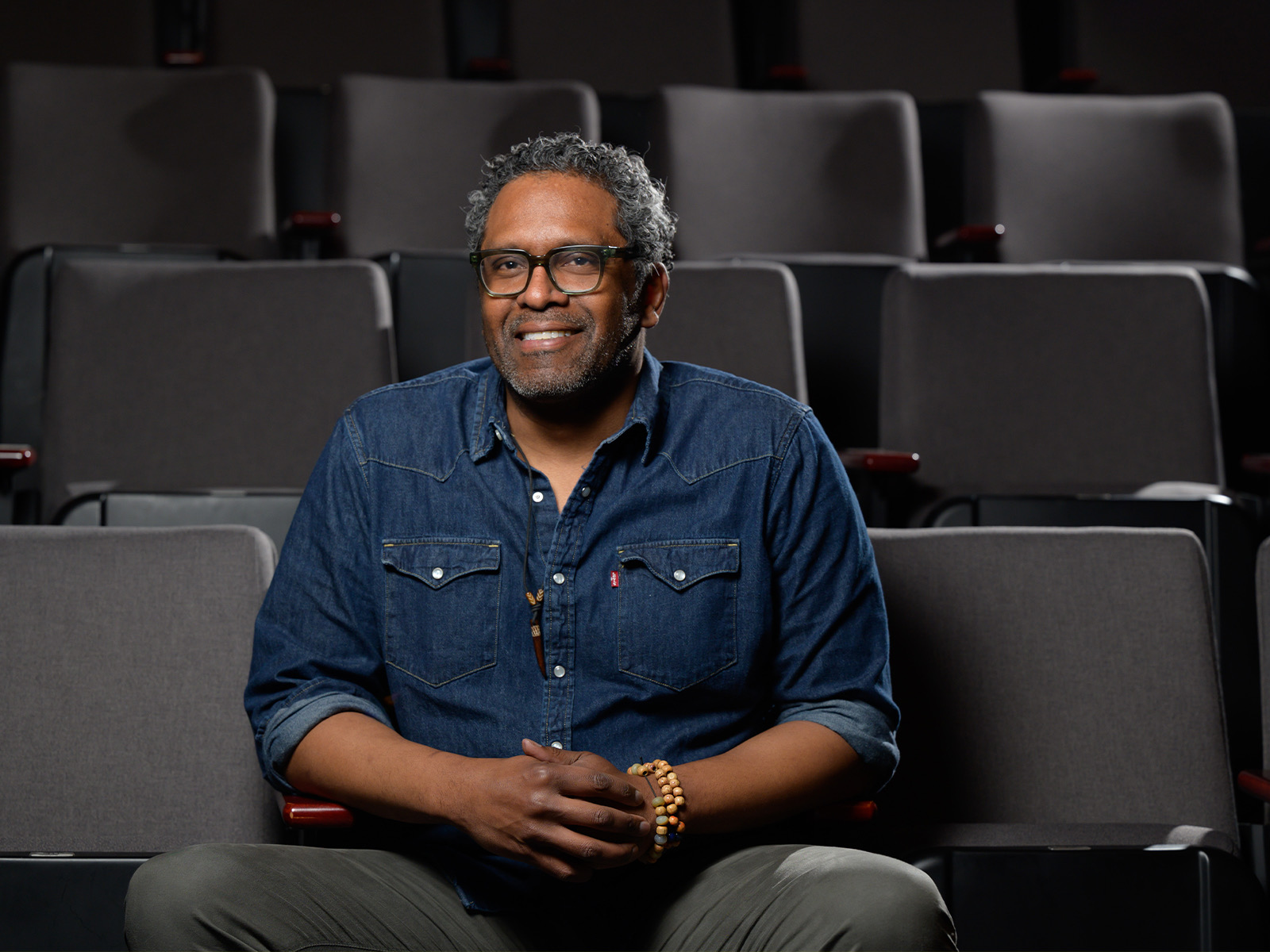
Lindsay Smiling has been an actor at the Wilma for more than twenty years. He is an original member of the HotHouse, the theater's resident acting company, and since May 2026 he has led the Wilma as its sole artistic director, after several seasons in a shared leadership cohort. He calls the Wilma his favorite place to work, which is a rare thing to hear from someone who now also has to run it.
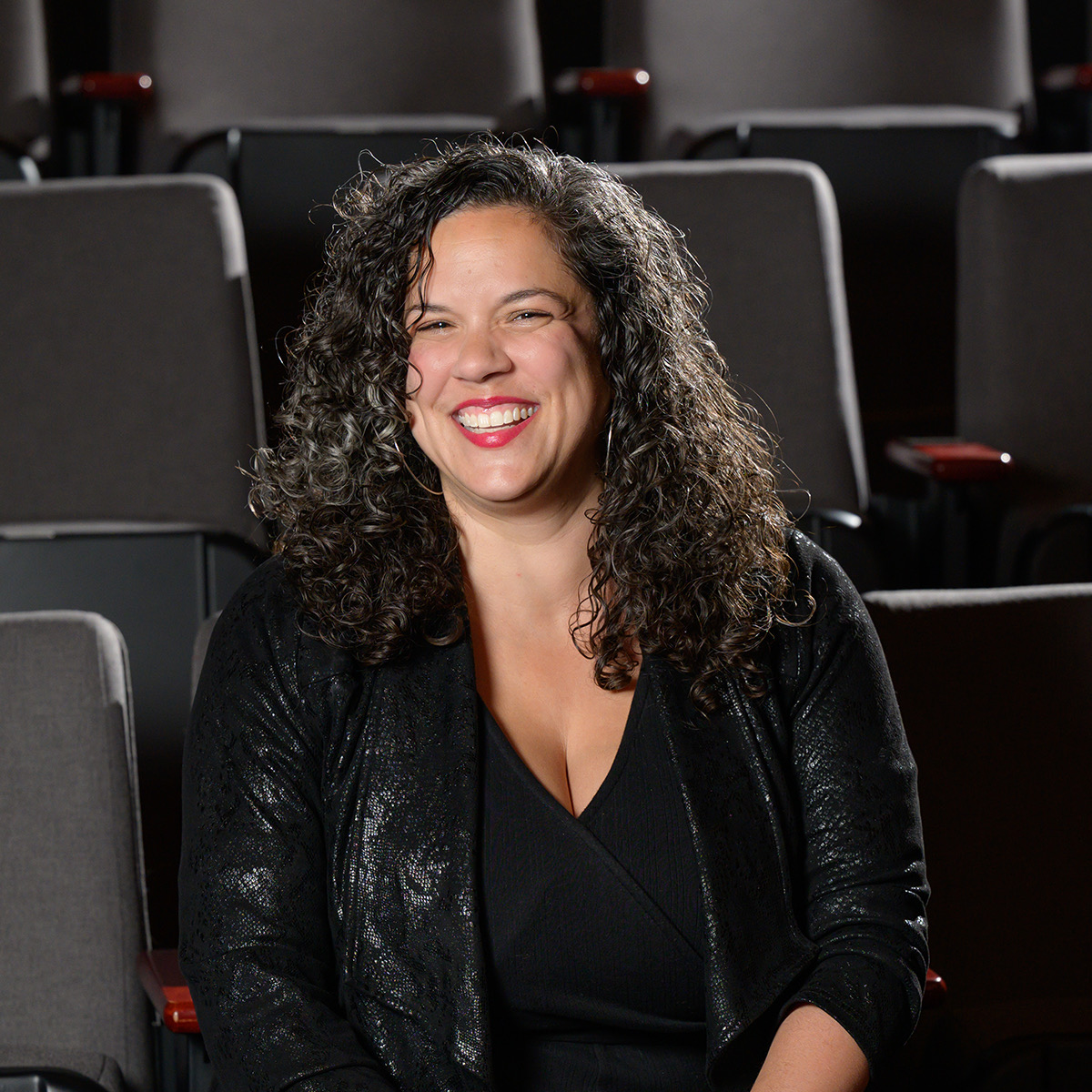
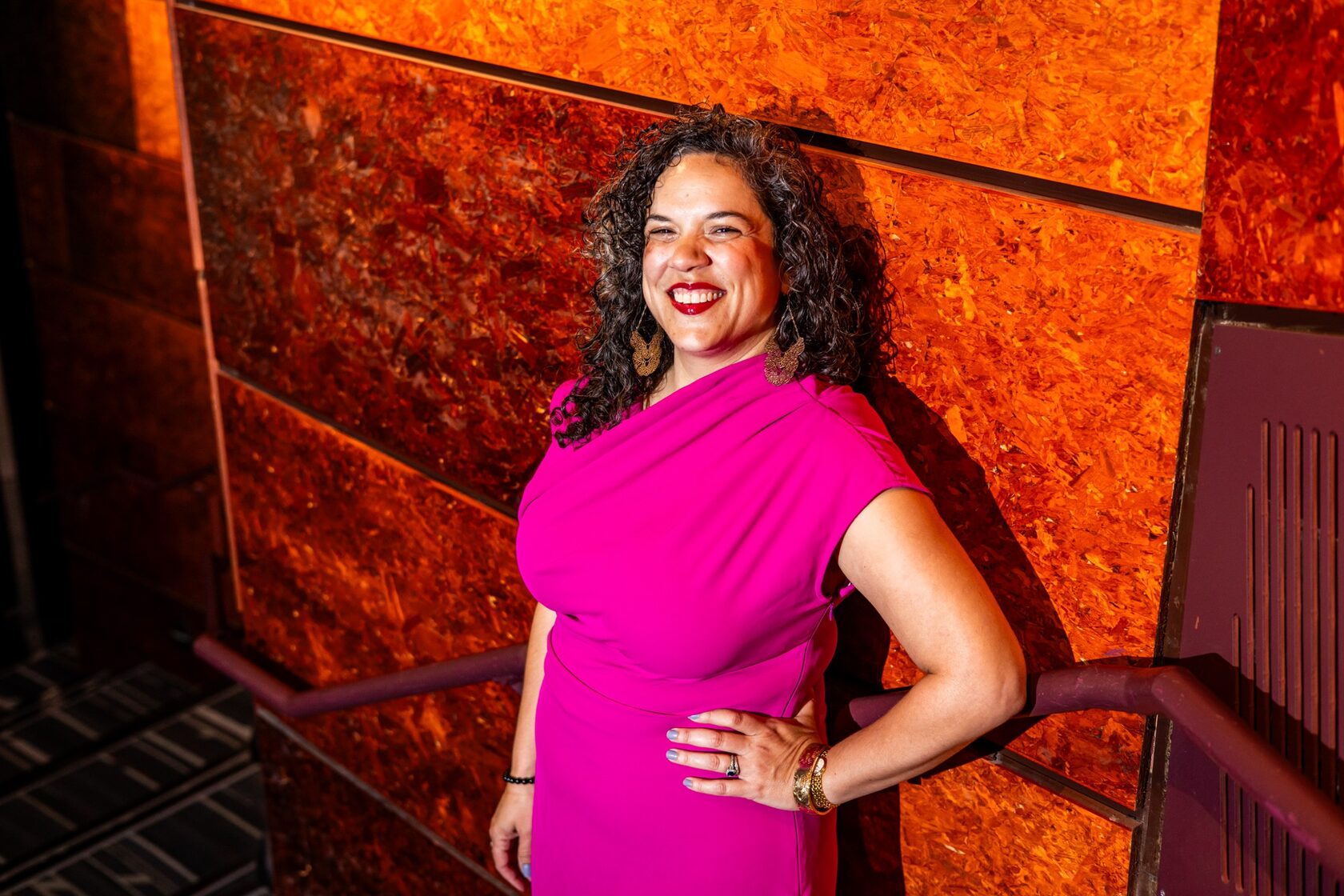
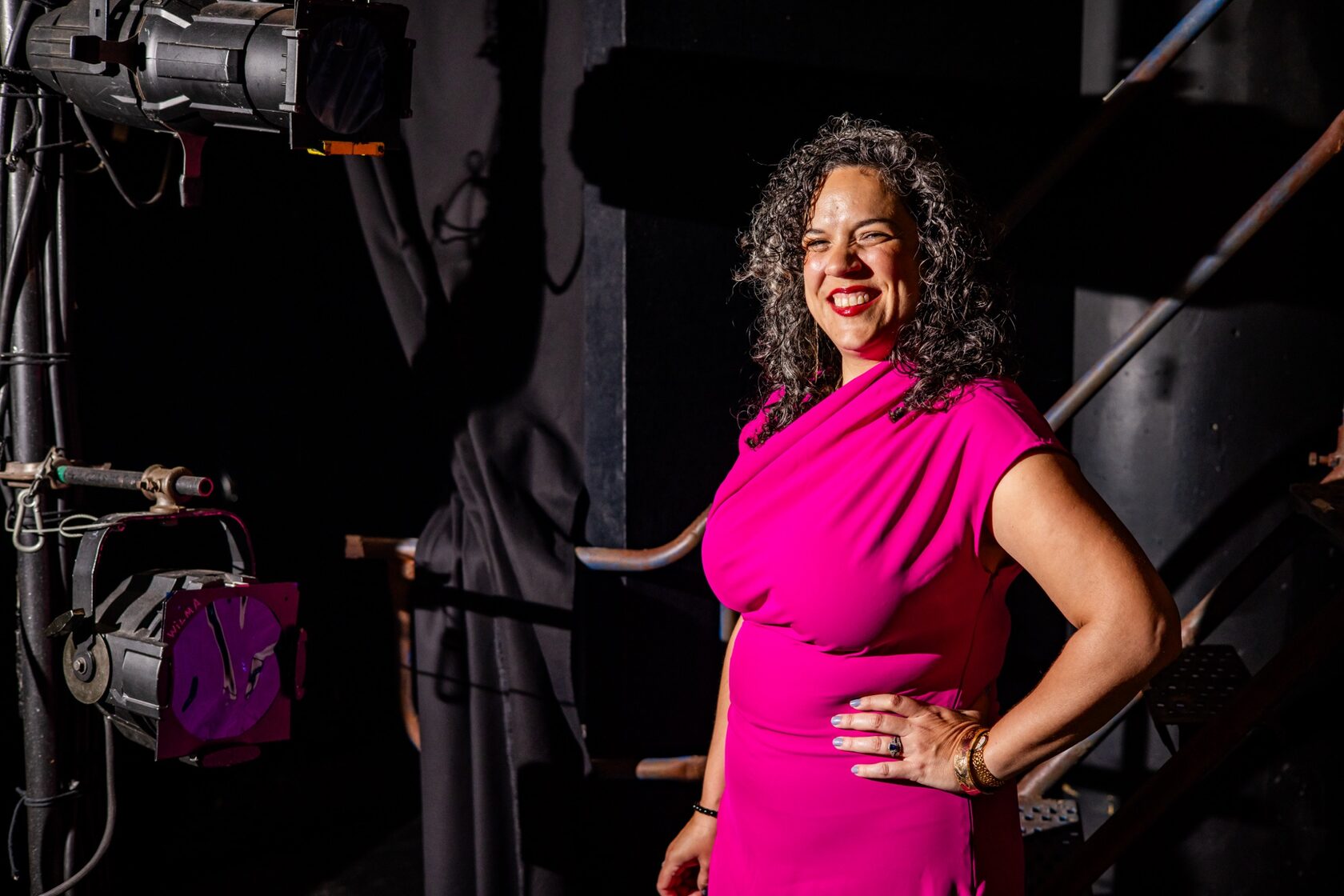
Leigh Goldenberg, the managing director, describes the job plainly as “the whole business side of the organization.” In practice, that means “partnering with Lindsay to execute the vision of the Wilma,” and thinking about how people come to participate in art “from an audience and donor perspective.” Somebody has to answer the question of who walks through the door, and why.
A storefront, a farm, a sensibility
The Wilma's origin story begins smaller than its current address suggests. The Wilma Project, a collective of artists, started in 1973. In 1979, Blanka and Jiri Zizka, newly arrived from Czechoslovakia, worked with its actors on what the theater still describes as “a kind of homemade piece of theater in a storefront.” It was George Orwell's Animal Farm, and it “created a following of people that really loved their work.”
The Zizkas brought with them the influence of Jerzy Grotowski and, in the theater's own words, “this kind of new Eastern European sensibility to Philadelphia.” They took over artistic leadership, moved through several venues, and in 1996 opened a 300-seat house on the Avenue of the Arts designed by Hugh Hardy. In the film, the claim is simpler: the Wilma “was actually the first theater built on Broad Street.” In 2024 it became the first Pennsylvania company to receive the Tony Award for Best Regional Theatre.
The HotHouse, and what grows out of it
If there is a single idea the Wilma returns to, it is investment in people rather than productions. The HotHouse ensemble meets weekly to train, read plays, and develop new work. “We have invested in a group of artists to build their craft and train and develop work that they are centered in,” they explain. “That is definitely a standout.”
The effect does not stay inside the building. “You see those artists all across Philadelphia and the region as actors, as directors, as designers, devisers, creators.” The structure sits closer to a repertory company than to the freelance economy most American actors work in. The Wilma describes it as the way its investment in artists keeps “expanding outward.”
The elusive question
Ask the Wilma what theater is for, and the answer arrives without much hedging. “I want to make art a habit of our lives.”
“I want to make art a habit of our lives.”
The reasoning is practical before it is philosophical. “In America, we're caught up in making money and having insurance, having healthcare, having a place to live, and these are all very important things.” Then comes “this very elusive question about what does it all mean,” one that, in their view, we do not wrestle with enough “as a habitual practice.”
No one at the Wilma claims theater resolves it. “We'll never have that answer,” they say, but engaging with it is a way to ask “how are we taking care of each other?” and “how do I make sense of this moment in my life?” Triumphs and tragedies both need somewhere to go. “Stories help us do that.”
This is also where the Wilma's taste comes into focus. “A play, if it's confusing to me, I know I'm really excited by it.” The message can be political, personal, or philosophical. What matters is that it is “never dictated to me.” The work they look for is “not didactic,” and not “looking to tell people what to think or how to think even.” It is meant instead to get people “wrestling with their quotidian lives.” New plays and classic plays are approached the same way, “as if they're new plays.”
Thirty years on the avenue
The 2026/27 season marks thirty years since the Wilma opened on the Avenue of the Arts, and it is built from four productions. It opened in September with the world premiere of DJ Hills's Horsegirl & Cowdaddy, a co-production with Soho Rep directed by Adil Mansoor, which closed on October 4.
Next comes The Little Prince, in Rick Cummins and John Scoullar's adaptation of Saint-Exupéry, running November 17 through November 29. It is the Wilma's second all-ages production, part of a recent effort to find “those adventurous theatergoers early in their lives.” In the film, the book is called “one of my favorite, favorite, favorite books from my childhood,” a story that asks us “to slow down” and “let your imagination wander and question what is actually really important in this life to you.”
In spring the season circles back to where the Wilma began. The Animal Farm Project, running March 30 through April 11, 2027, revisits the 1979 production through a contemporary lens. HotHouse member Justin Jain is the lead artist and Eva Steinmetz directs, drawing on documentary techniques and migrant stories gathered through community workshops. The season closes in June with the Bearded Ladies Cabaret, a company “who started in our lobby.” Their Mx. Rogers' Neighborhood: You Can Never Go Down the Drain, written and performed by Rose Jarboe and directed by HotHouse member Suli Holum, runs June 2 through June 13, 2027, during Pride Month.
Horsegirl & Cowdaddy
By DJ Hills, directed by Adil Mansoor. A co-production with Soho Rep. Read our story
The Little Prince
Rick Cummins and John Scoullar's adaptation of Saint-Exupéry.
The Animal Farm Project
Lead artist Justin Jain, directed by Eva Steinmetz. The 1979 production through a contemporary lens.
Mx. Rogers' Neighborhood
You Can Never Go Down the Drain. Written and performed by Rose Jarboe, directed by Suli Holum.
Beyond the stage
Some of the Wilma's season will never appear on a marquee. High school students in twelve Philadelphia public schools are centering their own work on Animal Farm this winter and spring, which means a 1979 storefront production is, in a sense, going back to class.
The theater has also received a grant to deepen its relationship with a social club of low-vision Philadelphians who have been coming to the Wilma “as audience members and collaborators.” Together, they plan to build a cabaret performance later in the season.
Civic infrastructure
The Wilma's leaders are fond of Philadelphia and say so without irony. “I love Philadelphia's art scene. It is so dynamic.” Their frustration is not with the city's artists but with how quietly the city carries them. “A lot of this feels sort of underground when it's not. We're right here on Broad Street.”
“We want to be seen and appreciated as civic infrastructure.”
The phrase they reach for is one we recognize. “We want to be seen and appreciated as civic infrastructure.” It places a theater alongside the things a city cannot function without, the bridges and libraries and bus routes, and it asks to be maintained accordingly. The wish extends beyond the Wilma's own walls, to “more support for all the artists in Philadelphia,” from devised theater to installations to sculpture. “All of it is rich in Philadelphia.”
Near the end of the film comes a sentence that sounds almost impossible, and is clearly meant. “My dream is that people are going to theater every day, every single day of their lives.”
“My dream is that people are going to theater every day, every single day of their lives.”
The city has not quite arranged itself around that idea yet. In November, the doors at 265 South Broad open again, this time for a boy from a very small planet, and anyone who wants to see where their heart is can buy a ticket and find out.
Lindsay Smiling and Leigh Goldenberg, Artistic Director announcement: Ashley White, Wide Eyed Studios @wideeyedstudios
2025–26 season headshots: Johanna Austin, AustinArt.org @johannaaustin